
A CLOSER LOOK
What If One Moment Doesn't Tell the Whole Story?
Looking beyond one moment to see the bigger picture of life
One moment can matter. But it may not tell us everything about someone's health, progress, or what is happening in the rest of their life.
What changes when we look at more of the story?
START WITH ONE MOMENT
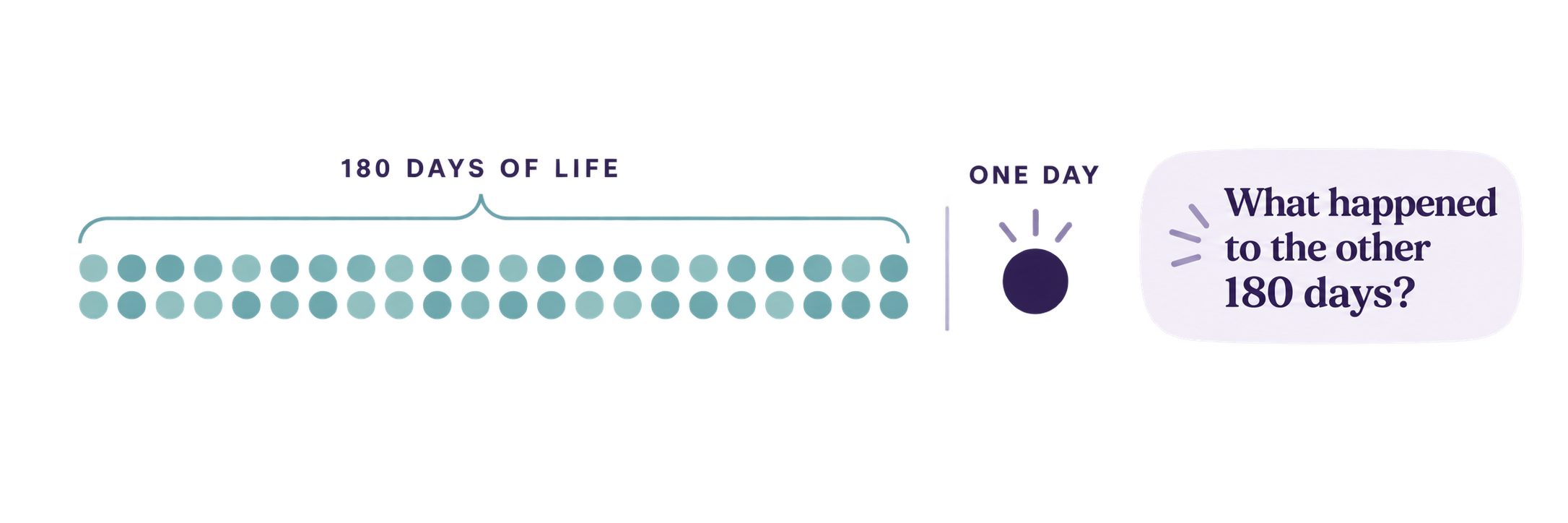
Imagine if someone had not used a substance for 180 days
During that time, a lot may have happened.
Maybe they're sleeping better. Going to work. Reconnecting with people they care about. Taking better care of their health. Feeling less anxious. Building routines that matter to them.
Then, on day 181, they engage with the substance again.
What happened to the other 180 days?
The one day matters. But if it becomes the only thing we see, we may miss important information about how someone is actually doing.

A CLOSER LOOK AT PROGRESS
One outcome cannot tell us everything.
Dr. Greg Hobelmann uses the 180-day example to challenge a familiar way of measuring how someone is doing.
If we focus only on whether a substance was used, we can overlook other meaningful changes: relationships, the ability to work, anxiety and depression, quality of life, and someone's overall health and wellbeing.
A LOOK BEYOND ONE DAY
What else might be happening?
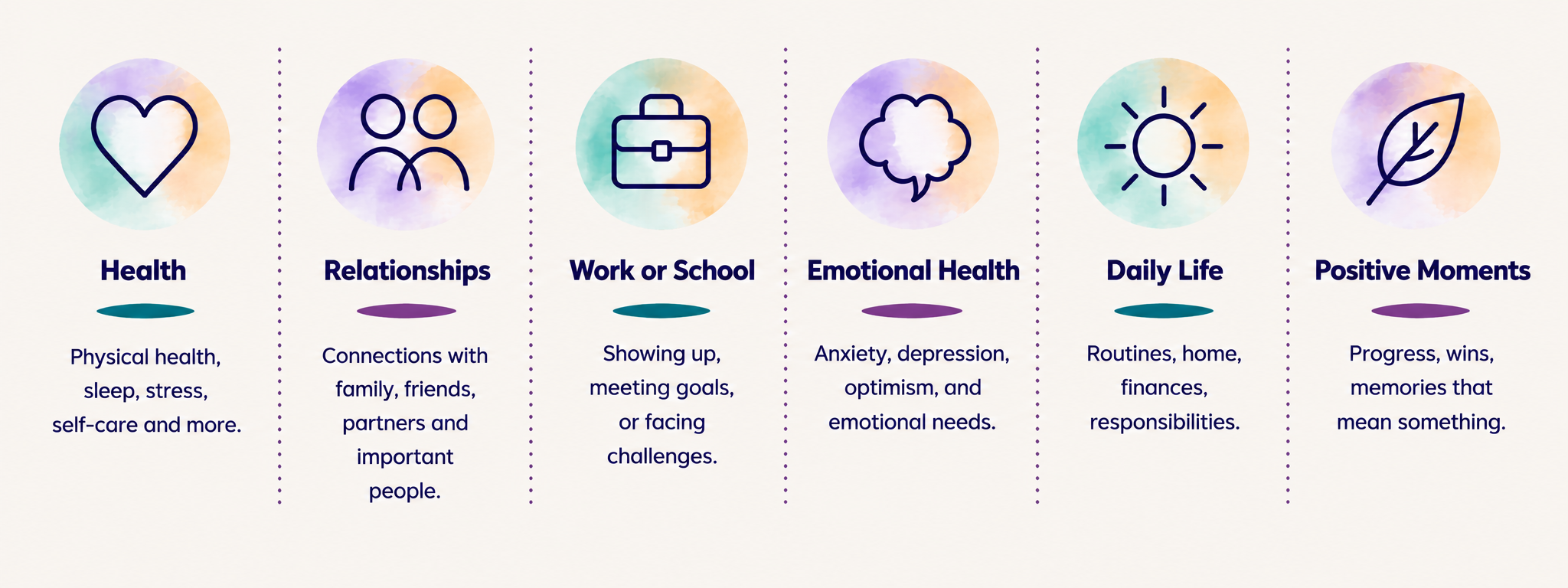
More information gives us a fuller picture and a fuller picture leads better questions.
LOOKING MORE CLOSELY
What can one moment actually tell us?
A return to use can matter without telling us everything about what is happening. Understanding the distinction, learning from what happened, and keeping the larger story in view can give us a more useful picture.
-
Dr. Mishka Terplan makes an important distinction between a return to use and a recurrence of substance use disorder.
A return to use means someone uses a substance again after a period when they were not using it. A recurrence means the larger pattern and symptoms of the disorder have returned.
Those are not necessarily the same thing. A return to use can increase the risk of recurrence, but Dr. Terplan explains that it does not automatically mean recurrence has happened.
One event is information. Understanding the larger pattern tells us more.
-
What we learn about a person can change what we do.
Instead of stopping at “What went wrong?” we can get curious.
Dr. Kristine Hitchens offers another way to think about what can follow a return to use.“They have information about themselves that they didn't have previously.”
Questions we can explore:
What was happening around this moment?
What had been helping or going differently?
What might this moment help us understand now?
The point is not to find one simple explanation. It's to understand more than we knew before.
-
A return to use matters. But it is one piece of information within a much larger picture of someone’s health and life.
Understanding more helps us see what the moment may mean without letting it erase everything else that is also true.
We can take the moment seriously without making it the whole story.
TAKE THIS WITH YOU
Understanding more changes what becomes possible.
What happened matters. So does what we learn from it.
When we look at health, relationships, circumstances, patterns, progress, and what may have changed, we have more than an event to react to. We have information we can use.
A QUESTION TO CARRY WITH YOU
What would I want to understand before deciding what this moment means?